
According to the basic belief of Islam, Allah Ta’ala created Hazrat Adam in His own image or form. That is, Allah must have a shape. Otherwise, how did you create it in your own shape or image or form? [1] [2]
Reference : Sahih Muslim 2841
In-book reference : Book 54, Hadith 11
English:
Hammam bin Munabbih (RA) said: This is what Abu Huraira (RA) narrated to us from the Messenger of Allah (ﷺ). He mentioned several Ahadith, including: The Messenger of Allah (ﷺ) said: Allah created Adam in His image; his height was sixty cubits. When He created him, He said: “Go and greet that group — they are a group of seated angels — and listen to how they reply, for that will be your greeting and the greeting of your descendants.” So he went and said, “As-salamu ‘alaykum,” and they replied, “As-salamu ‘alayka wa rahmatullah.” They added “wa rahmatullah.” The Prophet (ﷺ) said: Everyone who enters Paradise will be in the form of Adam, sixty cubits tall. Since then, creation has been decreasing in height up to the present.
Grade: Sahih (Authentic)
Narrator: Abu Huraira (RA)
Arabic:
حَدَّثَنَا هَمَّامُ بْنُ مُنَبِّهٍ، قَالَ هَذَا مَا حَدَّثَنَا أَبُو هُرَيْرَةَ، عَنْ رَسُولِ اللَّهِ ﷺ، فَذَكَرَ أَحَادِيثَ مِنْهَا: قَالَ رَسُولُ اللَّهِ ﷺ: خَلَقَ اللَّهُ آدَمَ عَلَى صُورَتِهِ، طُولُهُ سِتُّونَ ذِرَاعًا، فَلَمَّا خَلَقَهُ قَالَ: اذْهَبْ فَسَلِّمْ عَلَى أُولَئِكَ النَّفَرِ، وَهُمْ نَفَرٌ مِنَ الْمَلائِكَةِ جُلُوسٌ، فَاسْتَمِعْ مَا يُحَيُّونَكَ، فَإِنَّهَا تَحِيَّتُكَ وَتَحِيَّةُ ذُرِّيَّتِكَ، فَقَالَ: السَّلامُ عَلَيْكُمْ، فَقَالُوا: السَّلامُ عَلَيْكَ وَرَحْمَةُ اللَّهِ، فَزَادُوهُ: وَرَحْمَةُ اللَّهِ، فَكُلُّ مَنْ يَدْخُلُ الْجَنَّةَ عَلَى صُورَةِ آدَمَ، طُولُهُ سِتُّونَ ذِرَاعًا، فَلَمْ يَزَلِ الْخَلْقُ يَنْقُصُ بَعْدَهُ إِلَى الْيَوْمِ.
Reference : Sahih al-Bukhari 6227
In-book reference : Book 79, Hadith 1
USC-MSA web (English) reference : Vol. 8, Book 74, Hadith 246
English:
Narrated Abu Huraira (RA): The Prophet (ﷺ) said, “Allah created Adam in His picture, sixty cubits in height.” When He created him, He said (to him), “Go and greet that group of angels sitting there, and listen to how they reply to you, for that will be your greeting and the greeting of your offspring.” So he went and said, “As-salāmu ʿalaykum (Peace be upon you).” They replied, “As-salāmu ʿalayka wa raḥmatullāh (Peace and Allah’s Mercy be on you),” thus adding “wa raḥmatullāh.” The Prophet (ﷺ) added: Whoever enters Paradise will be in the form of Adam. Since then, the creation (i.e., the stature of Adam’s offspring) has been diminishing continuously up to the present time.
Arabic:
حَدَّثَنَا يَحْيَى بْنُ جَعْفَرٍ، حَدَّثَنَا عَبْدُ الرَّزَّاقِ، عَنْ مَعْمَرٍ، عَنْ هَمَّامٍ، عَنْ أَبِي هُرَيْرَةَ، عَنِ النَّبِيِّ ﷺ قَالَ: “خَلَقَ اللَّهُ آدَمَ عَلَى صُورَتِهِ، طُولُهُ سِتُّونَ ذِرَاعًا”، فَلَمَّا خَلَقَهُ قَالَ: اذْهَبْ فَسَلِّمْ عَلَى أُولَئِكَ النَّفَرِ مِنَ الْمَلَائِكَةِ جُلُوسٌ، فَاسْتَمِعْ مَا يُحَيُّونَكَ، فَإِنَّهَا تَحِيَّتُكَ وَتَحِيَّةُ ذُرِّيَّتِكَ. فَقَالَ: السَّلَامُ عَلَيْكُمْ. فَقَالُوا: السَّلَامُ عَلَيْكَ وَرَحْمَةُ اللَّهِ. فَزَادُوهُ: وَرَحْمَةُ اللَّهِ. فَكُلُّ مَنْ يَدْخُلُ الْجَنَّةَ عَلَى صُورَةِ آدَمَ، فَلَمْ يَزَلِ الْخَلْقُ يَنْقُصُ بَعْدُ حَتَّى الآنَ.
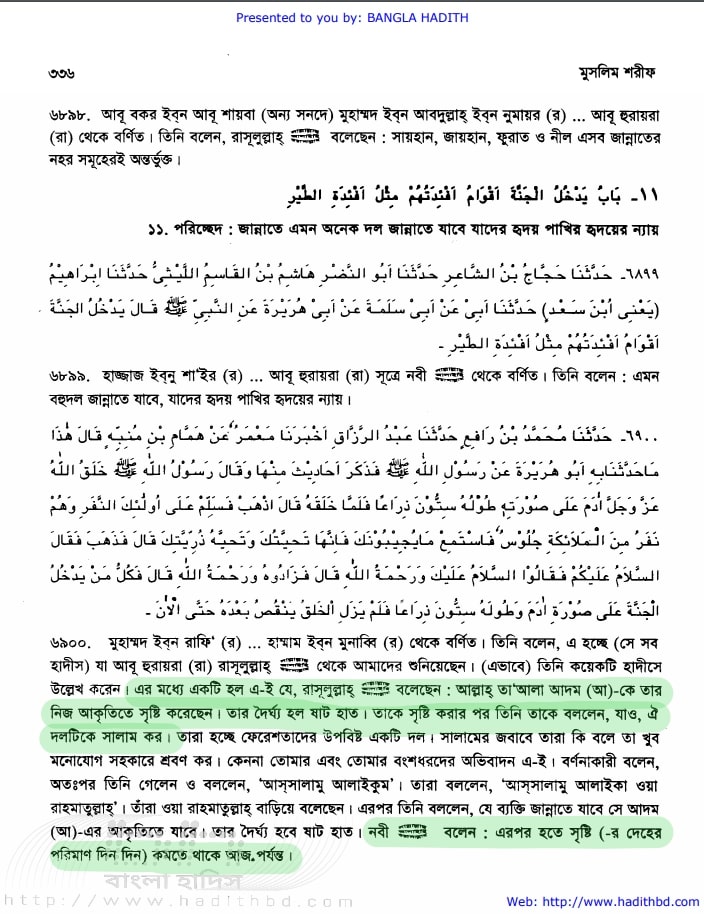
Is it only about form and shape? From the Qur’an and Hadith, it can be said without doubt that the God of Islam, Allah, like all other gods and deities, has hands, feet, head, body, face, eyes, ears, fingers, and so on. The Allah of Islam is no exception compared to other gods and deities. Let us now listen to another statement.
About This Article
Genre: Semi-Academic Skeptical Analysis
Epistemic Position: Scientific Skepticism and Secular Humanist Ethics
This article belongs to the skeptical-rationalist analytical tradition of Shongshoy.com.
Its purpose is not theological neutrality or artificial both-sides balance, but evidence-based critical examination of religious, philosophical, moral, and historical claims.
Neutrality here means methodological fairness: accurate use of sources, logical rigor, evidentiary discipline, and factual consistency. It does not mean moral indifference or equal treatment between harmful doctrines and their criticism.
Strong criticism should not be mistaken for bias if it is supported by evidence and sound reasoning.
This article should be evaluated through source quality, evidentiary strength, logical rigor, factual consistency, and fairness in representing opposing claims—not through theological sensitivity, apologetic expectations, or demand for rhetorical softness.