



Editor's pick
Editor's pick
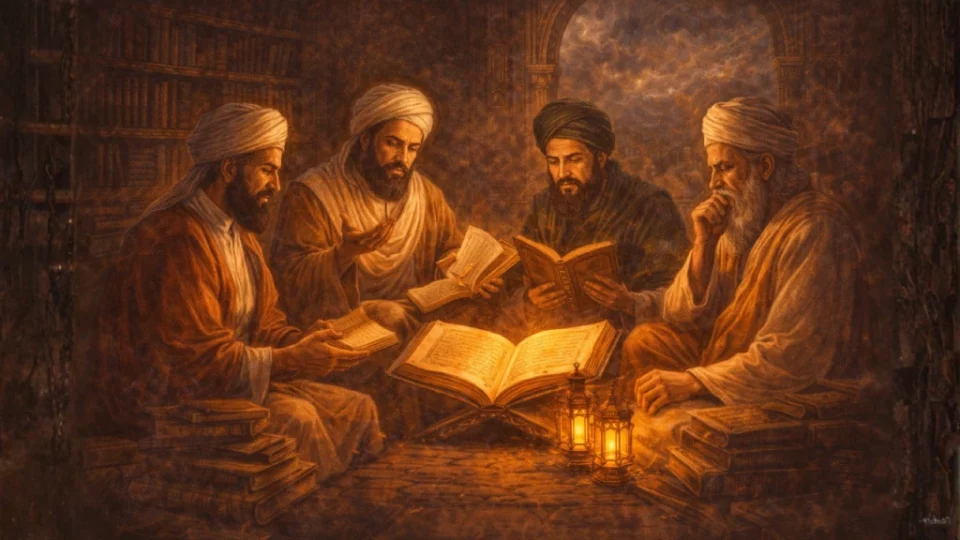
Quran Compilation and Revision: Text, Power, and the Claim of Immutability
A critical examination of Quranic compilation, textual variants, competing mushafs, suppressed readings, and later revisions. Drawing on classical Islamic sources, it investigates how human decisions and political authority shaped the accepted text and challenges claims of its immutability.
Muta Marriage in Islam: Lawful Sexual Contracts and Ethical Contradictions
Islamic sources document muta marriage under Muhammad and its continuation until Umar’s prohibition. Conflicting reports, the Companions’ practices, and provisions concerning minors, paternity, maintenance and inheritance raise fundamental questions about consent, women’s rights and Islam’s claim to immutable morality.
Child Abuse in Islam: Corporal Punishment, Religious Authority, and Sharia Rulings
An examination of child abuse and corporal punishment in Islamic texts and jurisprudence. Drawing on hadiths, classical legal rulings, and scholarly fatwas, this article explores the religious justification of beating children, the authority granted to parents and teachers, legal liability…
Punishment for Rape under Islamic Sharia: The Dangerous Four-Witness Rule
This article critically examines rape laws in classical Islamic Sharia, exploring how the four-witness requirement, restrictions on women’s testimony, and limitations on forensic evidence can obstruct justice and expose victims to punishment.
The Conflict between Islam, Philosophy, and Logic: Does Islam Permit Critical Inquiry?
This article examines whether Islam genuinely allows its claims to be tested through independent reason, philosophical inquiry, comparative religion, and freedom of conscience. Drawing on the Quran, hadith, classical Islamic creed, scholarly fatwas, and rulings on apostasy, it argues that…
Was Prophet Muhammad the greatest man of all time?
This article offers a critical, source-based examination of Prophet Muhammad’s character and actions, highlighting contradictions between popular myths and authentic Islamic texts. Using direct references from the Quran, hadith, and historical sources, it raises questions about Muhammad’s claim to moral…
Sticky
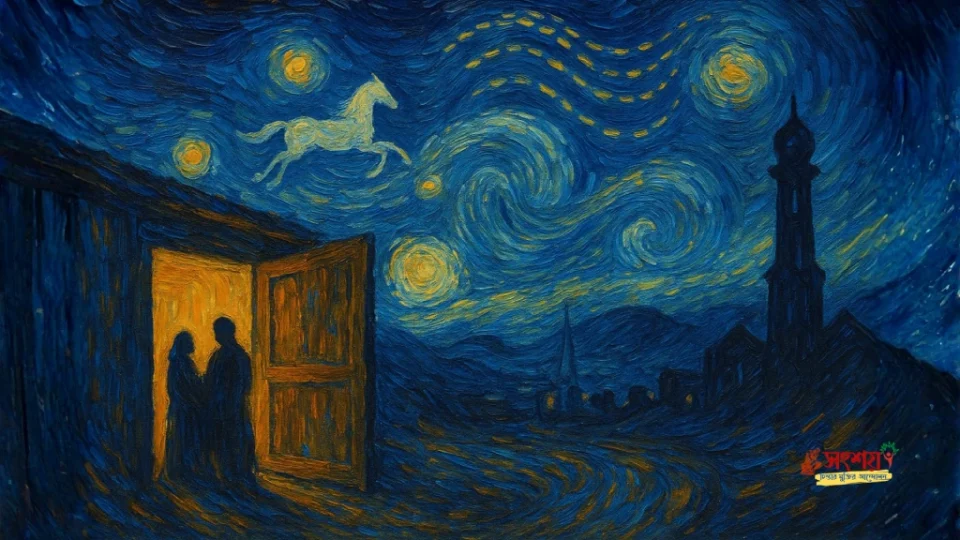
The tragic death of Prophet Muhammad
An evidence-based examination of Prophet Muhammad’s final illness and death, drawing on hadith, sira, tafsir, and early Islamic historical sources. The article explores the Khaybar poisoning, his prolonged suffering, deathbed events, and the difficult questions these accounts raise about prophethood,…
Child marriage, pedophilia and Islam – Did Aisha reach puberty at the age of 9?
A critical examination of Aisha’s reported age at marriage and consummation, drawing on Islamic hadith, Qur’anic rulings, classical sources, and modern apologetic arguments.
Religion
Philosophy of Religion – Volume 1: Religion, God, Divine Nature, and the Question of God’s Existence
A comprehensive critical examination of the philosophy of religion, exploring the origins of religious belief, the concept of God, divine attributes, and philosophical arguments for God's existence. Drawing on epistemology, logic, metaphysics, psychology, and modern scientific inquiry, this volume evaluates…
‘Mukhannath’ and ‘Khuntha’: Islamic Sharia Rulings on Hijras
An examination of mukhannath and khuntha in Islamic texts, tracing rulings on exile, social exclusion, employment, marriage, and inheritance, and assessing their implications for the dignity and rights of hijras and gender-diverse people.
Islam and Women: Claims of Women’s “Highest Status” versus the Qur’an, Hadith, and Classical Fiqh
The claim that Islam gave women the highest status and unprecedented rights does not withstand examination of the Qur’an, sahih hadith, and classical fiqh. The familiar portrayal of pre-Islamic Arabia as a society in which all women were completely rightless,…
Classification of Religion: A Human Map of Belief and Disbelief
This article presents a detailed theoretical classification of religions. In addition to analyzing the various forms of faith on the basis of the number and nature of God (monotheism, polytheism, pantheism), its organizational structure (Church, Sect, Cult) has also been…
The rights of non-Muslims in the Islamic Sharia state
Islamic Sharia assigns non-Muslims a subordinate status through restrictions on worship, religious propagation, public office, legal testimony, and compensation for homicide. Drawing on classical Islamic sources and evidence from Bangladesh and Pakistan, this article examines how religious discrimination becomes embedded…