
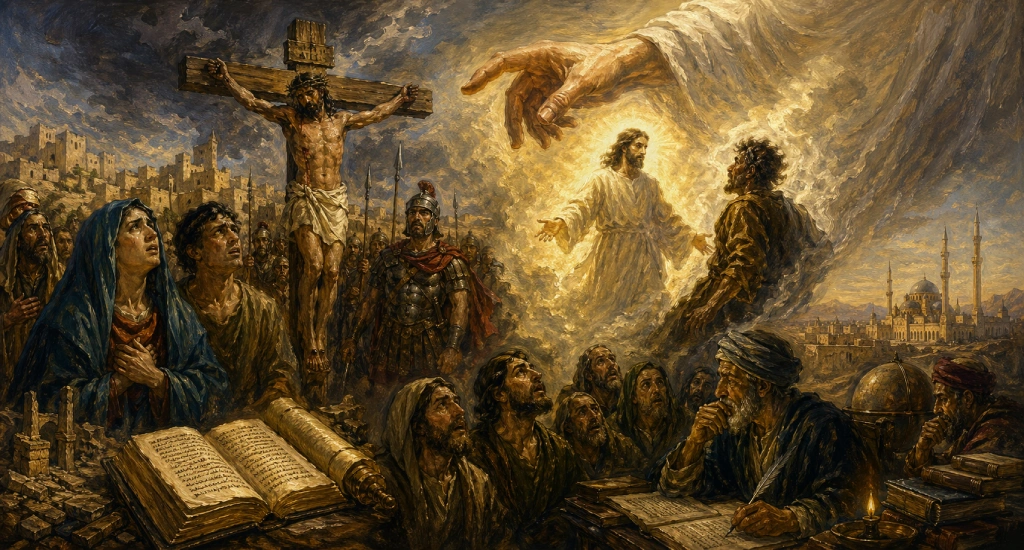
Introduction: The Death and Resurrection of Jesus
In Islamic theology, the crucifixion of Jesus or Isa is not merely a historical controversy; it also creates a profound philosophical and logical problem. The Qur’an explicitly claims that the Jews neither killed nor crucified Jesus. Rather, Jesus was raised by Allah, while to the people of that time the event was made to appear ‘similar’ or ‘confusing’ (shubbiha lahum). If, according to the Qur’anic account, this act of making something ‘appear similar’ is understood as a direct divine intervention, then responsibility for altering the course of history falls directly upon Allah. Historically and sociologically, the death and resurrection of Jesus stand at the very foundation of Christianity. The fundamental belief of hundreds of millions of Christians around the world rests upon the story of Jesus’ death and resurrection. If this apparent death was a deliberately created divine illusion or an apparent truth, then the question of divine responsibility for leading hundreds of millions of people down what Islam considers a “false” path for nearly two millennia cannot be avoided. In this article, we will examine how a supernatural divine intervention could have laid the foundation of a global religion and to what extent the moral and logical responsibility belongs to the agent responsible for that intervention. It should be noted that the issues discussed in this article do not claim to represent one hundred percent historically certain facts; rather, the purpose is to assume the religious claims to be true and then expose the internal contradictions that follow from them.
Contradictions and Similarities in the Theological Framework
Christianity and Islam both recognize Jesus or Isa as an extremely important figure in history, but their claims regarding the final outcome of his life are completely opposed and irreconcilable. The central Christian belief revolves around the crucifixion, death, burial, and resurrection of Jesus on the third day, presented in the New Testament as central to salvation from sin [1].
1 Corinthians 15
King James Version
3 For I delivered unto you first of all that which I also received, how that Christ died for our sins according to the scriptures;
4 And that he was buried, and that he rose again the third day according to the scriptures:
5 And that he was seen of Cephas, then of the twelve:
6 After that, he was seen of above five hundred brethren at once; of whom the greater part remain unto this present, but some are fallen asleep.
1 Corinthians 15
New King James Version
3 For I delivered to you first of all that which I also received: that Christ died for our sins according to the Scriptures,
4 and that He was buried, and that He rose again the third day according to the Scriptures,
5 and that He was seen by [a]Cephas, then by the twelve.
6 After that He was seen by over five hundred brethren at once, of whom the greater part remain to the present, but some have [b]fallen asleep.
According to the New Testament accounts, Jesus’ death is narrated with witnesses present, his body is then buried, and another early Christian passage claims post-resurrection appearances to more than five hundred people. Within Christian tradition, these reports form part of the testimonial basis for the death, burial, and resurrection of Jesus [2] [3].
Matthew 27
King James Version
50 Jesus, when he had cried again with a loud voice, yielded up the ghost.
51 And, behold, the veil of the temple was rent in twain from the top to the bottom; and the earth did quake, and the rocks rent;
52 And the graves were opened; and many bodies of the saints which slept arose,
53 And came out of the graves after his resurrection, and went into the holy city, and appeared unto many.
54 Now when the centurion, and they that were with him, watching Jesus, saw the earthquake, and those things that were done, they feared greatly, saying, Truly this was the Son of God.
55 And many women were there beholding afar off, which followed Jesus from Galilee, ministering unto him:
56 Among which was Mary Magdalene, and Mary the mother of James and Joses, and the mother of Zebedees children.
57 When the even was come, there came a rich man of Arimathaea, named Joseph, who also himself was Jesus’ disciple:
58 He went to Pilate, and begged the body of Jesus. Then Pilate commanded the body to be delivered.
59 And when Joseph had taken the body, he wrapped it in a clean linen cloth,
60 And laid it in his own new tomb, which he had hewn out in the rock: and he rolled a great stone to the door of the sepulchre, and departed.
61 And there was Mary Magdalene, and the other Mary, sitting over against the sepulchre.
Matthew 27
New King James Version
50 And Jesus cried out again with a loud voice, and yielded up His spirit.
51 Then, behold, the veil of the temple was torn in two from top to bottom; and the earth quaked, and the rocks were split, 52 and the graves were opened; and many bodies of the saints who had fallen asleep were raised; 53 and coming out of the graves after His resurrection, they went into the holy city and appeared to many.
54 So when the centurion and those with him, who were guarding Jesus, saw the earthquake and the things that had happened, they feared greatly, saying, “Truly this was the Son of God!”
55 And many women who followed Jesus from Galilee, ministering to Him, were there looking on from afar, 56 among whom were Mary Magdalene, Mary the mother of James and [n]Joses, and the mother of Zebedee’s sons.
Jesus Buried in Joseph’s Tomb
57 Now when evening had come, there came a rich man from Arimathea, named Joseph, who himself had also become a disciple of Jesus.
58 This man went to Pilate and asked for the body of Jesus. Then Pilate commanded the body to be given to him.
59 When Joseph had taken the body, he wrapped it in a clean linen cloth,
60 and laid it in his new tomb which he had hewn out of the rock; and he rolled a large stone against the door of the tomb, and departed.
61 And Mary Magdalene was there, and the other Mary, sitting [o]opposite the tomb.
1 Corinthians 15
King James Version
3 For I delivered unto you first of all that which I also received, how that Christ died for our sins according to the scriptures;
4 And that he was buried, and that he rose again the third day according to the scriptures:
5 And that he was seen of Cephas, then of the twelve:
6 After that, he was seen of above five hundred brethren at once; of whom the greater part remain unto this present, but some are fallen asleep.
7 After that, he was seen of James; then of all the apostles.
8 And last of all he was seen of me also, as of one born out of due time.
1 Corinthians 15
New King James Version
3 For I delivered to you first of all that which I also received: that Christ died for our sins according to the Scriptures,
4 and that He was buried, and that He rose again the third day according to the Scriptures,
5 and that He was seen by [a]Cephas, then by the twelve.
6 After that He was seen by over five hundred brethren at once, of whom the greater part remain to the present, but some have [b]fallen asleep.
7 After that He was seen by James, then by all the apostles.
8 Then last of all He was seen by me also, as by one born out of due time.
Islamic theology, on the other hand, effectively presents this event as a ‘divinely constructed illusion’. According to the Qur’an, the Jews neither killed nor crucified Jesus; rather, it was only made to appear so to them [4].
وَقَوۡلِهِمۡ إِنَّا قَتَلۡنَا ٱلۡمَسِيحَ عِيسَى ٱبۡنَ مَرۡيَمَ رَسُولَ ٱللَّهِ وَمَا قَتَلُوهُ وَمَا صَلَبُوهُ وَلَٰكِن شُبِّهَ لَهُمۡۚ وَإِنَّ ٱلَّذِينَ ٱخۡتَلَفُواْ فِيهِ لَفِي شَكّٖ مِّنۡهُۚ مَا لَهُم بِهِۦ مِنۡ عِلۡمٍ إِلَّا ٱتِّبَاعَ ٱلظَّنِّۚ وَمَا قَتَلُوهُ يَقِينَۢا
And because of their saying: We slew the Messiah, Jesus son of Mary, Allah’s messenger – they slew him not nor crucified him, but it appeared so unto them; and lo! those who disagree concerning it are in doubt thereof; they have no knowledge thereof save pursuit of a conjecture; they slew him not for certain.
— M. Pickthall
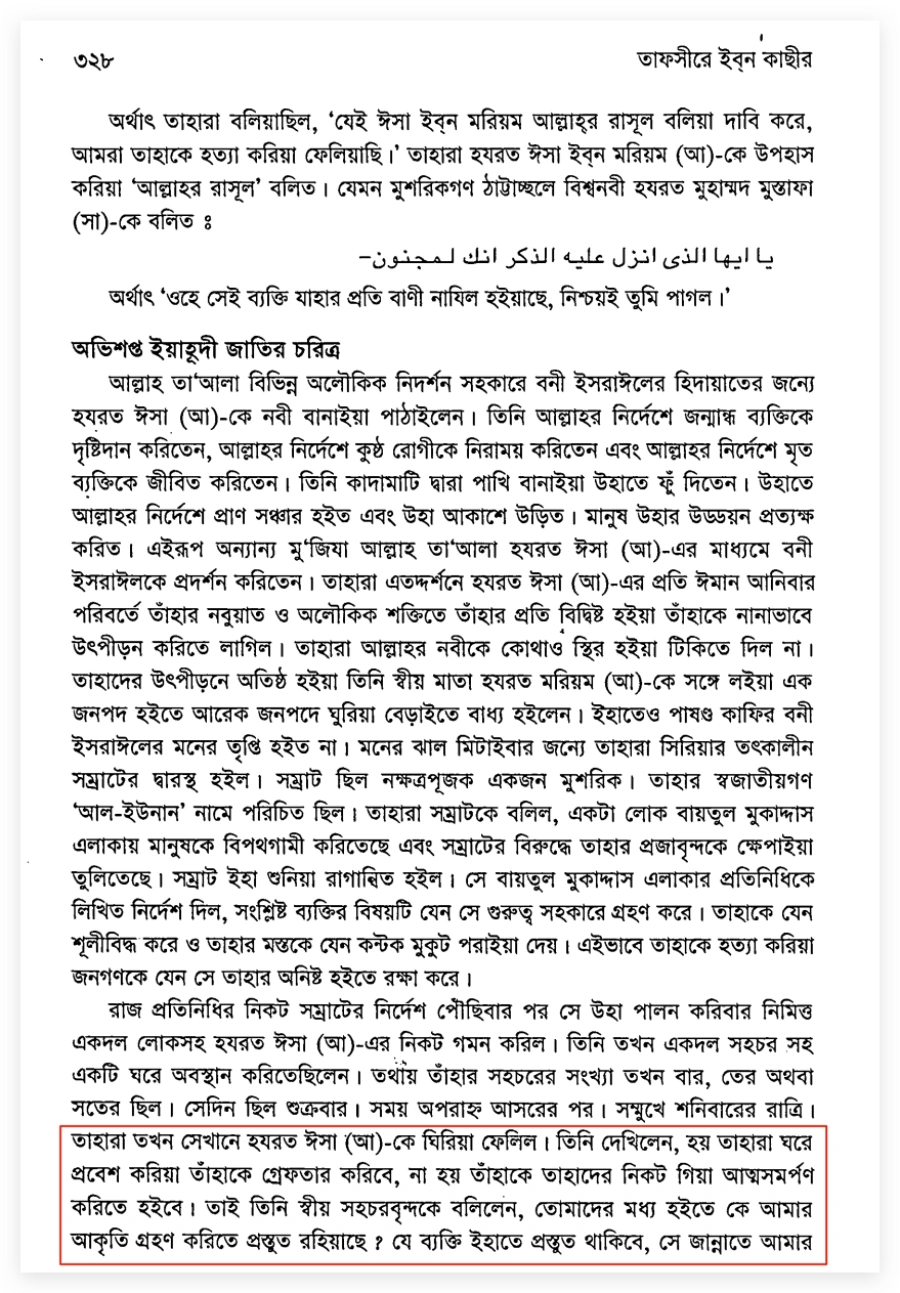
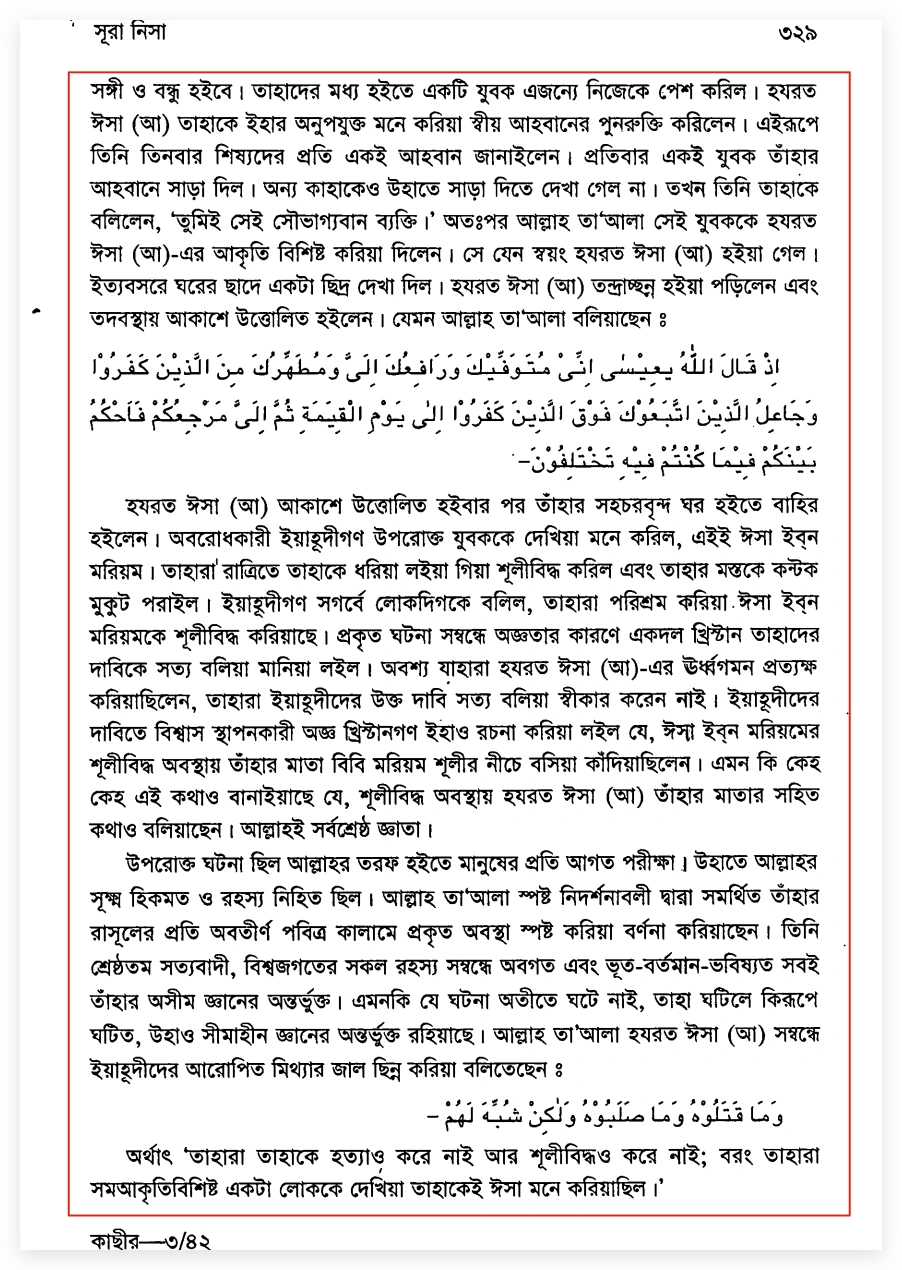
Regarding this matter, the renowned Qur’anic commentary Tafsir Ibn Kathir states the following [5]:
The Character of the Accursed Jewish People
Allah Almighty sent Prophet Isa (A.S.) as a prophet to guide the Children of Israel and supported him with various miraculous signs. By Allah’s command, he restored sight to those born blind, healed lepers by Allah’s command, and raised the dead by Allah’s command. He fashioned birds from clay, breathed into them,
and by Allah’s command life entered them and they flew into the sky. People witnessed their flight. Allah Almighty demonstrated many such miracles to the Children of Israel through Prophet Isa (A.S.). Instead of believing in him after seeing these signs, they became hostile toward his prophethood and miraculous power and began persecuting him in various ways.
They did not allow the Prophet of Allah to remain peacefully anywhere.
Driven to exhaustion by their persecution, he was forced to move from one settlement to another with his mother, Maryam (A.S.). Even this did not satisfy the hardened disbelievers among the Children of Israel. In order to satisfy their hatred, they approached the ruler of Syria at that time. The ruler was a star-worshipping polytheist. His people were known as ‘al-Yunan’. They told the ruler that a man in the region of Bayt al-Maqdis was misleading people and inciting the subjects against the ruler. The ruler became angry upon hearing this. He wrote to his representative in Bayt al-Maqdis instructing him to treat the matter seriously, to crucify the man, place a crown of thorns on his head, and kill him
so that the people might be protected from his harm.
After receiving the ruler’s command, the representative went with a group of men to Prophet Isa (A.S.). At that time, he was staying in a house with a group of companions. Their number was said to be twelve, thirteen, or seventeen. It was Friday afternoon, after the time of Asr, with the night of Saturday approaching.
They surrounded the place where Prophet Isa (A.S.) was staying. He saw that either they would enter the house and arrest him, or he would have to surrender to them. He then said to his companions, ‘Which one of you is willing to take on my appearance? Whoever is willing will be my companion and friend in Paradise.’ A young man among them offered himself. Prophet Isa (A.S.) initially considered him unsuitable and repeated the invitation. He repeated the request three times, and each time the same young man responded, while no one else did. He then said to him, ‘You are the fortunate one.’ Allah Almighty then transformed the young man so that he resembled Prophet Isa (A.S.). Meanwhile, an opening appeared in the roof. Prophet Isa (A.S.) became drowsy and in that state was raised to the heavens, as Allah Almighty has said:
إِذْ قَالَ اللَّهُ يَعِيسَى إِنِّي مُتَوَفَّيْكَ وَرَافِعُكَ إِلَى وَمُطَهِّرُكَ مِنَ الَّذِينَ كَفَرُوا وَجَاعِلُ الَّذِينَ اتَّبَعُوكَ فَوْقَ الَّذِينَ كَفَرُوا إِلَى يَوْمِ الْقِيِّمَةِ ثُمَّ إِلَى مَرْجِعُكُمْ فَاحْكُمُ بَيْنَكُمْ فِيْمَا كُنْتُمْ فِيهِ تَخْتَلِفُونَ
After Prophet Isa (A.S.) had been raised to heaven, his companions came out of the house. The besieging Jews saw the young man and thought that he was Isa ibn Maryam himself. They seized him at night, took him away, crucified him, and placed a crown of thorns on his head. The Jews proudly told people that they had succeeded in crucifying Isa ibn Maryam. Because they were ignorant of the true event, a group of Christians accepted their claim as true. However, those who had witnessed the ascension of Prophet Isa (A.S.) did not accept the Jewish claim. Ignorant Christians who believed the Jewish claim further invented the story that Maryam (A.S.) sat beneath the cross and wept while Isa ibn Maryam was being crucified. Some even fabricated that Prophet Isa (A.S.) spoke to his mother while on the cross. Allah knows best.
This entire incident was a test from Allah for humanity. Within it lay Allah’s subtle wisdom and mystery. Allah Almighty clearly explained the true event in the sacred revelation sent to His Messenger, supported by clear signs. He is the most truthful, fully aware of all the secrets of the universe, and all past, present, and future events lie within His infinite knowledge. Even events that never occurred in the past—how they would have happened if they had occurred—are included within His limitless knowledge. Allah Almighty tore apart the web of lies attributed by the Jews regarding Prophet Isa (A.S.) and said:
وَمَا قَتَلُوهُ وَمَا صَلَبُوهُ وَلَكِنْ شُبِّهَ لَهُمْ –
Meaning: ‘They neither killed him nor crucified him; rather, they saw someone of similar appearance and mistook him for Isa.’
Now let us examine what Tafsir Mazhari says regarding this matter [6]:
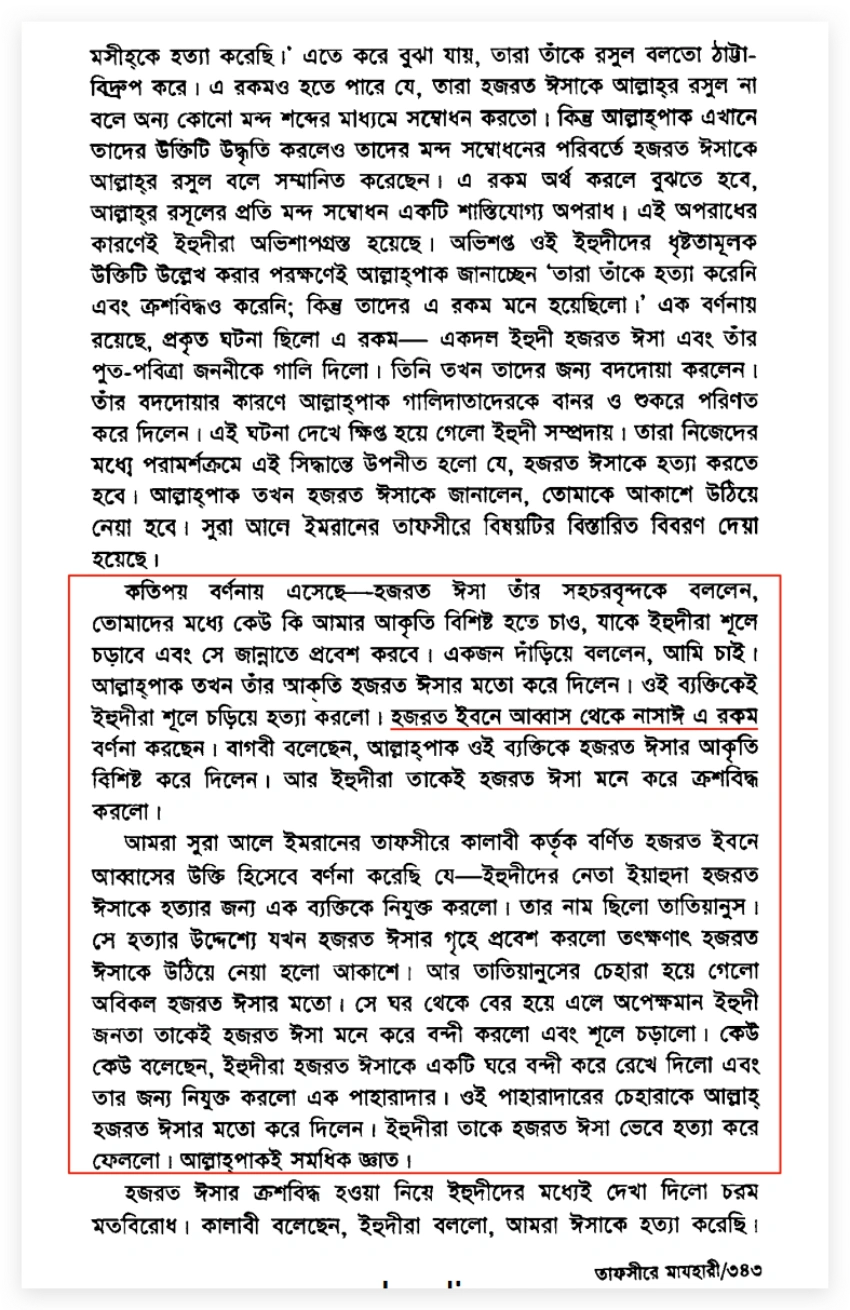
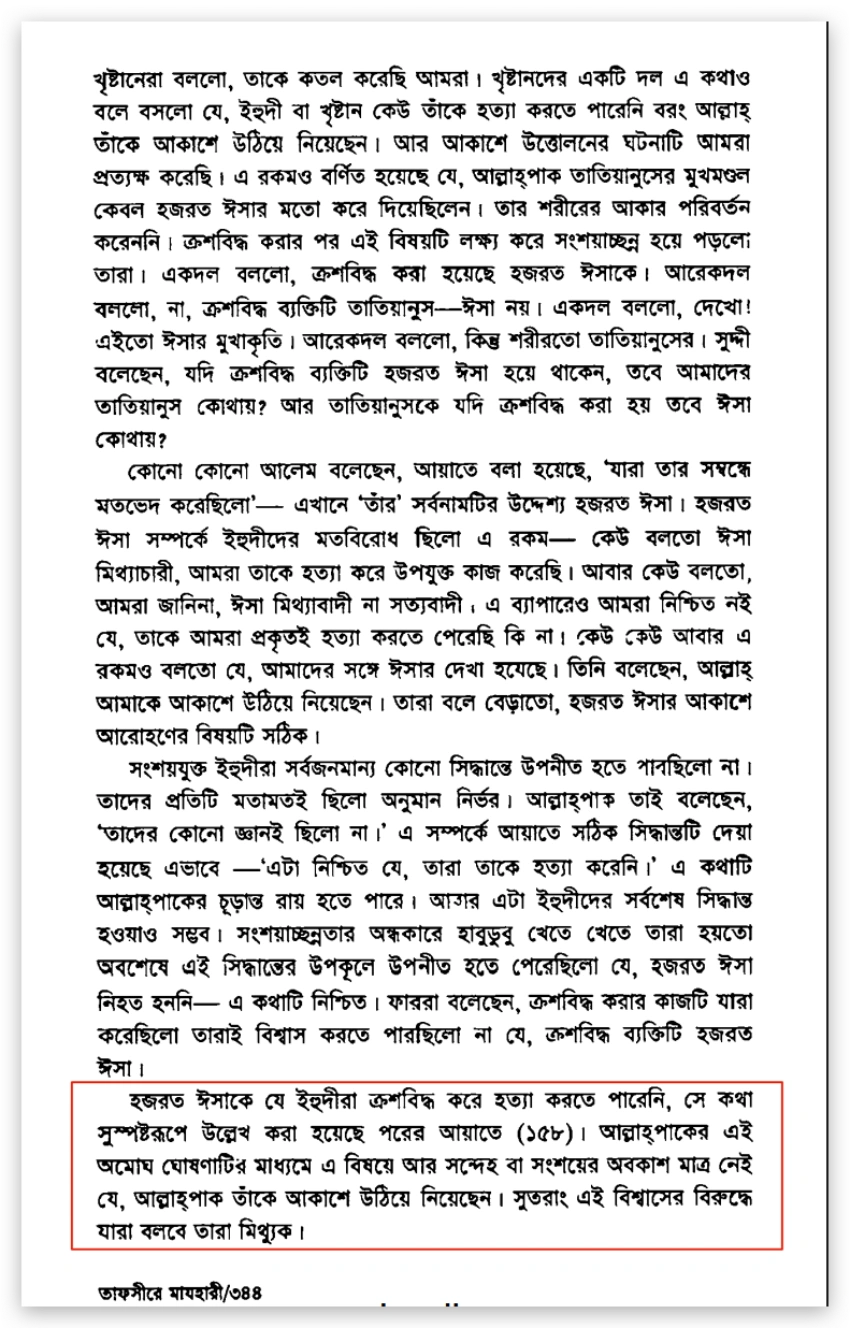
‘We killed the Messiah.’ From this it may be understood that they referred to him as a Messenger mockingly and sarcastically. It is also possible that they did not call Prophet Isa the Messenger of Allah but used some insulting term for him. If this interpretation is adopted, then although Allah quoted their statement, He replaced their insulting expression by honouring Prophet Isa with the title ‘Messenger of Allah’. This would also indicate that insulting a Messenger of Allah is a punishable offence, and because of this offence the Jews were cursed. Immediately after mentioning the arrogant claim of those accursed Jews, Allah states: ‘They did not kill him nor crucify him; rather, it was made to appear so to them.’ One narration states that the actual event occurred as follows: a group of Jews insulted Prophet Isa and his pure mother. He prayed against them, and as a result Allah transformed the insulters into monkeys and pigs. The Jewish community became enraged when they witnessed this and decided among themselves that Prophet Isa must be killed. Allah then informed Prophet Isa that he would be raised to heaven. The detailed account has been discussed in the commentary on Surah Aal-e-Imran.
Some narrations state that Prophet Isa asked his companions, ‘Is there anyone among you who wishes to take on my appearance, so that the Jews will crucify him and he will enter Paradise?’ One of them stood up and said, ‘I am willing.’ Allah then transformed his appearance so that he looked like Prophet Isa. The Jews crucified and killed that person instead. Al-Nasa’i narrates such a report from Ibn Abbas. Al-Baghawi said that Allah transformed that person into the likeness of Prophet Isa, and the Jews mistook him for Isa and crucified him.
We have also narrated in the commentary on Surah Aal-e-Imran, through al-Kalbi from Ibn Abbas, that the leader of the Jews, Yahuda, appointed a man named Tatyanus to kill Prophet Isa. When he entered the house for that purpose, Prophet Isa was immediately raised to heaven. Tatyanus’ face then became identical to that of Prophet Isa. When he came out of the house, the waiting Jews mistook him for Prophet Isa, captured him, and crucified him. Some have said that the Jews imprisoned Prophet Isa in a house and appointed a guard over him. Allah transformed the guard’s face into that of Prophet Isa, and the Jews killed him believing him to be Isa. Allah knows best.
A great disagreement then arose among the Jews concerning the crucifixion of Prophet Isa. Al-Kalbi said that the Jews claimed, ‘We killed Isa.’ The Christians claimed, ‘We killed him.’ One Christian group even said that neither the Jews nor the Christians had killed him; rather, Allah had raised him to heaven, and they themselves had witnessed his ascension. It is also narrated that Allah made only Tatyanus’ face resemble Prophet Isa, while leaving his body unchanged. After the crucifixion, they noticed this discrepancy and became confused. One group said, ‘The crucified man is Isa.’ Another said, ‘No, the crucified person is Tatyanus, not Isa.’ Some said, ‘Look, this is Isa’s face.’ Others responded, ‘But the body is that of Tatyanus.’ Al-Suddi said, ‘If the crucified man was Isa, then where is our Tatyanus? And if Tatyanus was crucified, then where is Isa?’
Some scholars have said that in the verse, ‘those who differed concerning him’, the pronoun refers to Prophet Isa. The Jews differed regarding him in the following manner: some said, ‘Isa was a liar, and we did the right thing by killing him.’ Others said, ‘We do not know whether Isa was truthful or false, nor are we certain whether we actually succeeded in killing him.’ Still others claimed, ‘We met Isa, and he told us that Allah had raised him to heaven.’ They therefore went around saying that the ascension of Prophet Isa was true.
The doubtful Jews were unable to reach any universally accepted conclusion. Each of their opinions was based on conjecture. Allah therefore said, ‘They had no knowledge of it.’ The correct conclusion is then stated in the verse: ‘Certainly, they did not kill him.’ This may represent Allah’s final verdict, or possibly the final conclusion of the Jews themselves. After wandering in the darkness of doubt, perhaps they eventually arrived at the conclusion that Prophet Isa had not been killed. Al-Farra said that even those who carried out the crucifixion were not convinced that the crucified person was Prophet Isa.
The fact that the Jews failed to crucify and kill Prophet Isa is stated clearly in the following verse (158). Through this decisive declaration of Allah, no room remains for doubt that Allah raised him to heaven. Therefore, those who believe contrary to this are liars.
The fundamental similarity between the two religions is therefore this: both traditions agree that something resembling a public crucifixion occurred in first-century Jerusalem. The difference concerns the ‘reality’ of that event. Even if the Islamic or Qur’anic claim is accepted, Christianity treats sensory experience and eyewitness testimony as empirical evidence, whereas Islam claims that this visual experience was defective or divinely altered. This contradiction generates the central problem: if the Qur’anic claim is accepted literally, then it follows that Allah himself constructed a fictional scene that deceived human perception. In that case, who bears responsibility for the religion that emerged from this ‘error’? For what crime should the followers of that religion be condemned to Hell?
The Twelve Disciples: Eyewitness Testimony versus the Islamic Claim
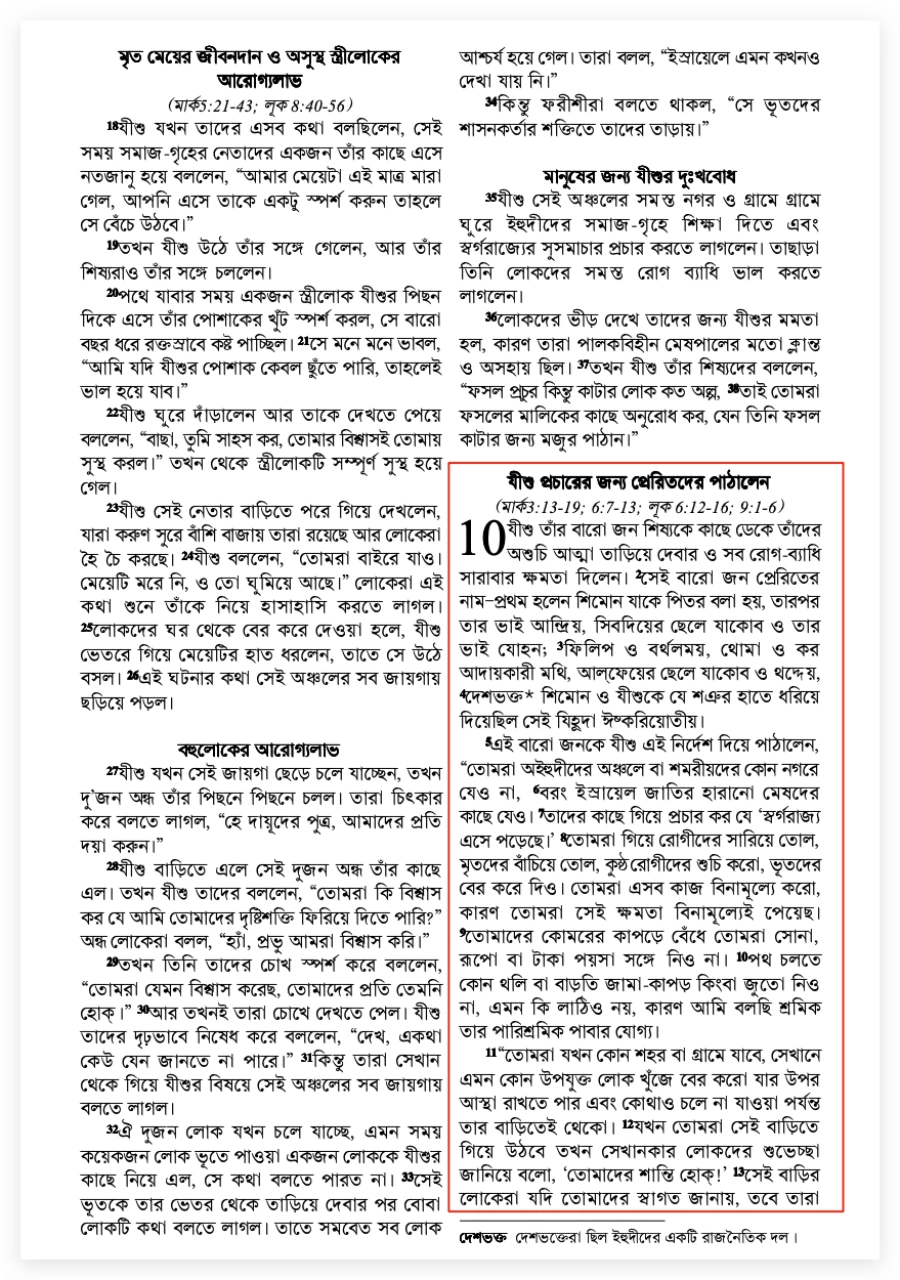
According to Christian theology and historical tradition, the twelve closest companions or ‘Apostles’ of Jesus were the principal witnesses to the major events of his life. These twelve were: Peter (Simon), Andrew, James son of Zebedee, John, Philip, Bartholomew, Thomas, Matthew, James son of Alphaeus, Thaddaeus, Simon the Zealot, and Judas Iscariot [7].
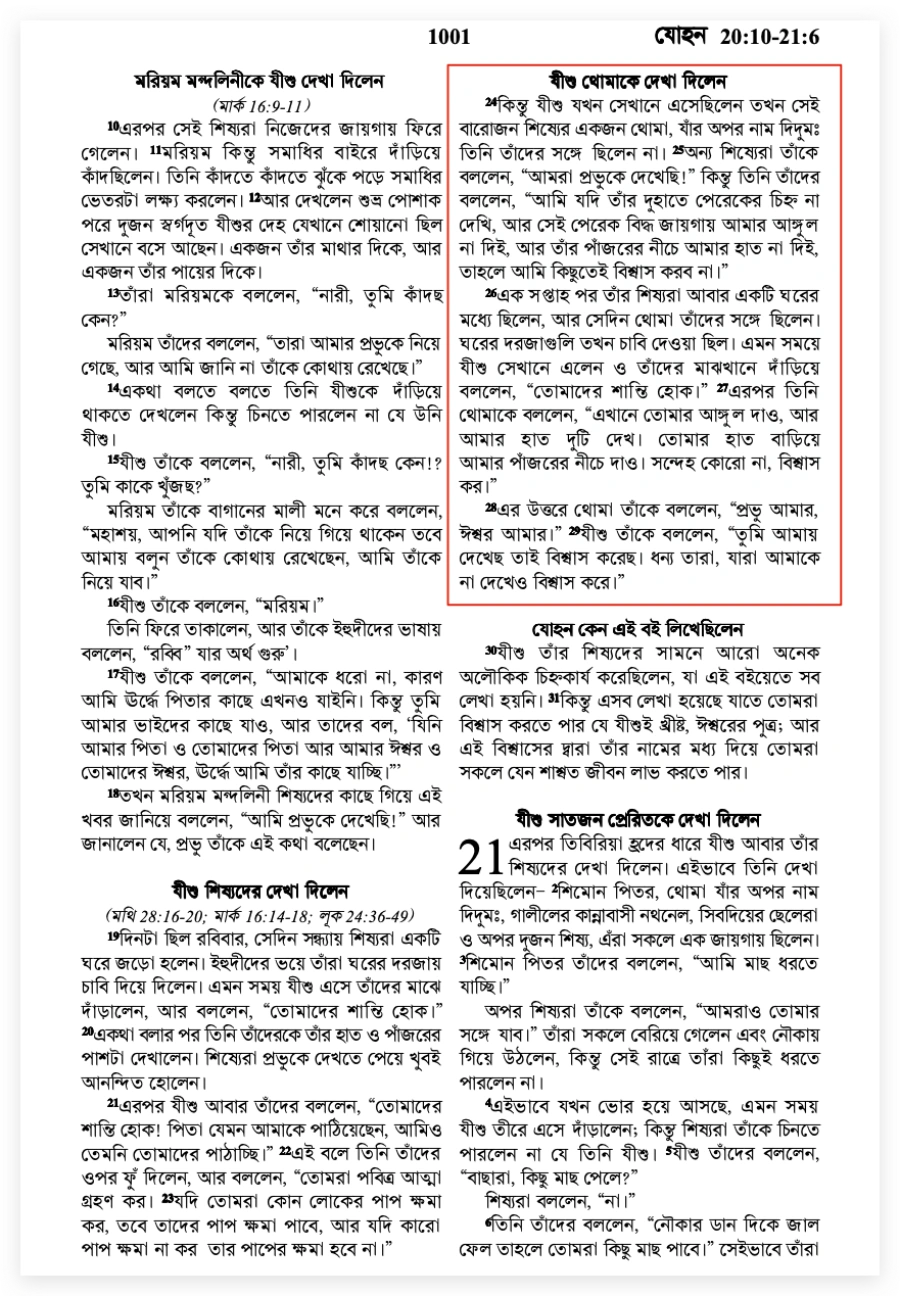
According to Christian belief, during the crucifixion and after the resurrection the disciples saw Jesus bodily and encountered the wounds of crucifixion [8]. In particular, ‘Doubting Thomas’ examined the wounds of Jesus and became convinced that this was the same person who had been crucified.
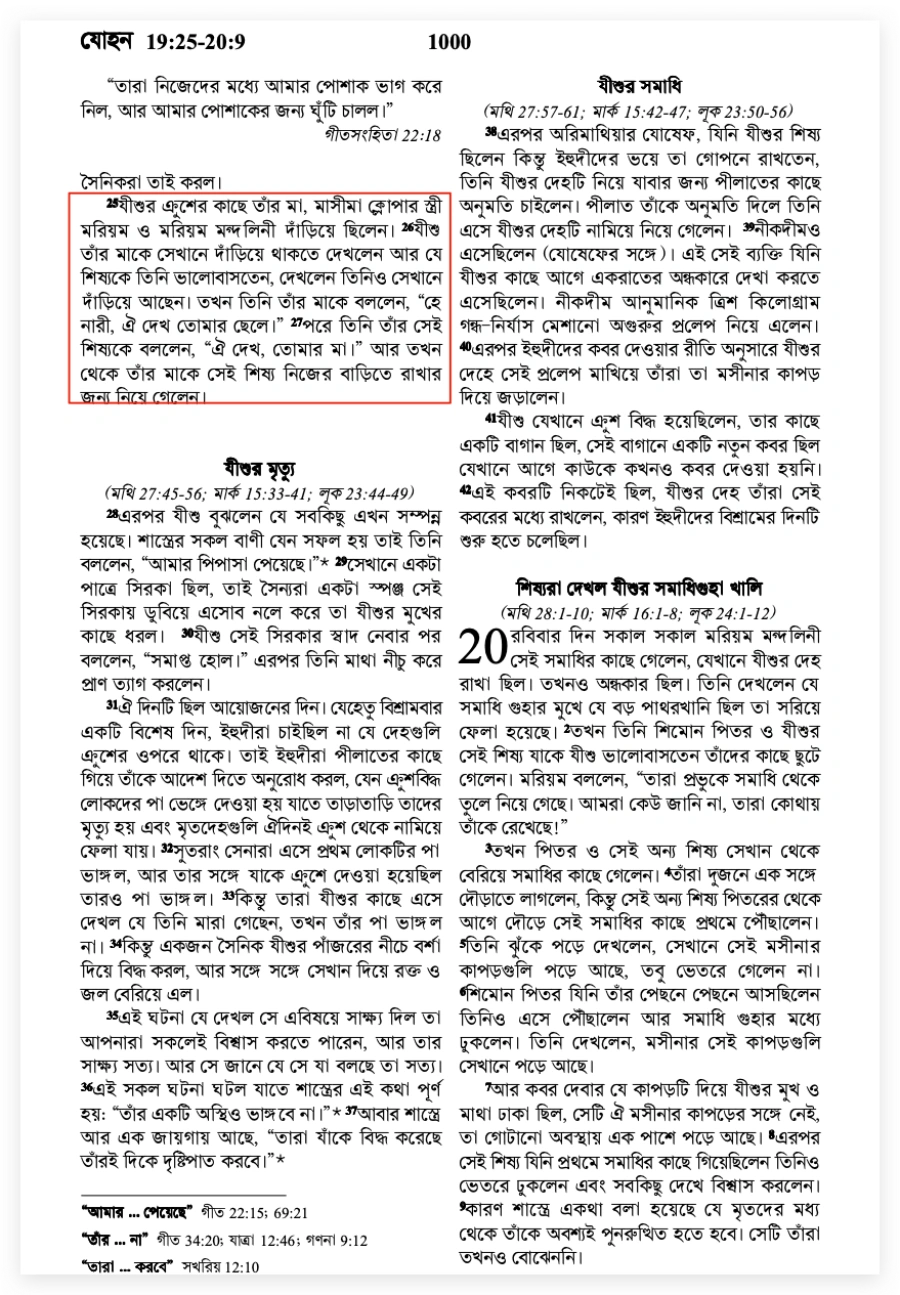
This creates an apparently insurmountable barrier between the Islamic claim and the Christian historical narrative. According to the Islamic ‘substitution theory’, the person placed on the cross was not Jesus but someone made to resemble him. Yet the historical question remains: if Jesus’ closest relatives—his mother Mary and the beloved disciple John—were directly present and nevertheless deceived, then this was not merely a simple visual illusion; it was a substitution at the level of identity itself [9]. If Allah changed the appearance of another man into that of Jesus, did He also alter his voice and memory? According to the Christian narrative, the crucified person spoke from the cross in the manner expected of Jesus.
| Issue | Christian Claim (Historical and Eyewitness) | Islamic Claim (Theological and Miraculous) |
|---|---|---|
| Witnesses to the Event | The disciples and Mary directly witnessed the crucifixion and death. | The disciples were confused, or the scene before them was divinely altered. |
| Identity of the Person | Jesus himself was crucified and died. | Another person resembling Jesus—either a disciple or an enemy—was crucified instead. |
| Resurrection | After his death, Jesus appeared to the disciples and spoke with them. | Jesus was taken bodily to heaven alive; no death occurred. |
| Evidence | The wounds on Jesus’ body and the eyewitness experiences of the disciples. | A revelation received approximately 600 years later that rejects those eyewitness experiences. |
From a logical perspective, if these twelve disciples—who spent day and night with Jesus—could be deceived into mistaking another person for Jesus, then no confidence in human sensory knowledge remains possible. According to the Islamic narrative, if Allah could mislead even those closest to Jesus, then the event ceases to be merely a miracle and becomes a deliberately created epistemological confusion—or, more bluntly, a divine deception. If the disciples genuinely believed that they had seen Jesus die and later endured severe persecution and death while bearing witness to that belief, then was not their sacrifice also the product of a deception created by Allah? This contradiction demonstrates that accepting the Islamic account requires giving priority to miraculous ‘dictation’ or divine command over historical reasoning and eyewitness testimony, ultimately calling the very definition of truth into question.
The Perspective of Eyewitnesses and the Epistemological Crisis
When viewed from the perspective of an ordinary eyewitness in first-century Jerusalem, this divine intervention produces an extreme epistemological difficulty. Suppose there was a person at the time who had been inspired by the teachings of Jesus, knew him personally, and was present at the crucifixion. According to the Islamic ‘substitution theory’, if Allah placed the appearance of Jesus upon someone else, then what that eyewitness would see was the man he knew as Jesus suffering in agony and dying on the cross. The most basic foundation of human knowledge is the senses—especially sight and hearing. If that foundation itself can be divinely distorted, then no reliable method remains for distinguishing truth from falsehood. When there is no detectable defect in sensory experience, reaching conclusions based on that experience is not only natural but rational [10].
In such a situation, that individual would have had no possible way of knowing that what he witnessed was a divine ‘illusion’. According to the Islamic narrative, Allah did not send a revelation or divine announcement at that moment warning those present: “What you are seeing is not true.” Instead, the correction was allegedly supplied by the Qur’an approximately six hundred years later. Therefore, if a contemporary of Jesus believed on the basis of his visual evidence that Jesus had died and subsequently embraced Christianity on that basis, assigning blame for that ‘false’ belief to him becomes logically impossible. The source of the information—God Himself—would have created a scene that inevitably led people toward a particular false conclusion. If Allah staged a perfect appearance of Jesus’ death and then provided no correction for six centuries, then the initial foundation of Christianity becomes the product of divine intervention itself. In logical terms, when an ‘Agent’—in this case God—knowingly creates a situation whose predictable outcome is the formation of a particular belief, then responsibility for that outcome falls upon that Agent.
The Eyewitness Testimony and Sacrifice of the Disciples
The historical foundation of Christianity rests not only upon the teachings of Jesus but also upon the reported eyewitness experiences of his disciples. According to the New Testament narrative, the twelve closest disciples or Apostles were not merely preachers; they were witnesses to the crucifixion, death, and subsequent events associated with Jesus [11]. According to the Islamic ‘substitution theory’, if the person placed on the cross was not Jesus but someone else, then the later lives of these disciples and their brutal deaths create a major logical and psychological problem. A person may die for a mistaken belief, but when a group of people endure severe persecution and death for what they regarded as a specific witnessed event, the situation becomes more difficult to dismiss. Below is a summary of the missionary activities and reported deaths of the twelve disciples:
| Name of Disciple | Missionary Regions | Nature of Death and Historical Context |
|---|---|---|
| Peter (Simon) | Rome and Asia Minor (Turkey) | During Emperor Nero’s persecution of Christians, he was crucified in Rome. According to tradition, he requested to be crucified upside down because he did not consider himself worthy of dying in the same manner as Jesus [12]. |
| Andrew | Greece, Scythia (Russia and Ukraine) | He was reportedly crucified on an ‘X’-shaped cross in Patras, Greece. Tradition states that he remained on the cross for two days preaching the message of Jesus to passers-by [13]. |
| James (son of Zebedee) | Jerusalem | In 44 CE, King Herod Agrippa had him executed by the sword. He became the first of the disciples to be martyred [14]. |
| John | Ephesus and the island of Patmos | According to tradition, an attempt was made to kill him by immersing him in boiling oil, but he miraculously survived. He was later exiled to the island of Patmos. He is traditionally regarded as the only disciple to have died naturally [15]. |
| Philip | North Africa and Asia Minor | He was reportedly imprisoned in Hierapolis in modern Turkey and, after brutal torture, crucified and killed [16]. |
| Bartholomew | India and Armenia | According to tradition, while preaching in Armenia he was flayed alive and later beheaded [17]. |
| Thomas | Syria and India (Kerala and Madras) | This disciple, associated with examining the wounds of Jesus, was reportedly killed by spear wounds while preaching in India [18]. |
| Matthew | Ethiopia and Persia | Ancient Christian tradition reports that he was martyred in Ethiopia by being struck with an axe or sword [19]. |
| James (son of Alphaeus) | Egypt and Palestine | He was reportedly thrown from the pinnacle of the Temple in Jerusalem and later beaten to death with clubs [20]. |
| Thaddaeus (Jude) | Persia (modern Iran) | According to tradition, he was killed in Persia either by arrows or by blows from an axe [21]. |
| Simon the Zealot | Persia and Egypt | Tradition holds that he was sawn in half while preaching in Persia [13]. |
| Matthias | Syria and Ethiopia | The disciple selected to replace Judas was reportedly stoned and then beheaded [22]. |
Examining the end of these disciples’ lives reveals a stark fact: they presented the events they preached as truths they themselves had witnessed. If the crucifixion and resurrection of Jesus were merely a divine ‘illusion’, why would these twelve men travel to different parts of the world and choose extreme persecution and death for that illusion? Psychologically, people do not generally sacrifice their lives for something they know to be false [23]. Therefore, if according to the Islamic account Allah deceived them, then responsibility for the resulting large-scale bloodshed and sacrifice falls directly upon Allah, creating a serious moral problem.
Saint Paul and the Theological Necessity of the Crucifixion
Among the figures responsible for the spread of Christianity, one of the most influential and controversial was Saint Paul. Although he was not one of the twelve disciples who accompanied Jesus during his lifetime, global Christianity as it developed came to be profoundly shaped by his theology. The central point of Pauline theology is the crucifixion and resurrection of Jesus. Paul explicitly declared, “If Christ has not been raised, then our preaching is in vain and your faith is also in vain” [24]. The Islamic ‘substitution theory’ places Paul’s entire mission within an acute logical and moral dilemma.
According to Paul’s claim, on the road to Damascus he experienced a supernatural vision of the risen Jesus that radically transformed his life [25]. If, according to the Islamic claim, the crucifixion and resurrection of Jesus were based on a divine ‘illusion’, then a logical question arises: was Paul’s alleged experience of the ‘risen Jesus’ also part of the same continuing divine deception? If Allah Himself perfectly staged the appearance of the crucifixion of Jesus, then what Paul preached was effectively the logical consequence of the scene Allah had created. Paul believed that humanity could be redeemed from sin through the blood of Jesus [26]. Therefore, if Allah caused someone other than Jesus to shed blood while creating the circumstances in which an influential preacher such as Paul would spread this ‘false’ doctrine, then Allah bears more causal responsibility for the spread of Christianity than Paul himself.
From a logical standpoint, if the original cause was an illusion controlled by God, then the beliefs that arose from that cause reflect the consequences of divine action. Paul repeatedly described the crucifixion of Jesus in his letters as part of God’s great plan [27]. If this plan was not real but merely a ‘disguise’, then God knowingly created the conditions for Paul to spread a ‘false religion’ across the world. This does not merely raise questions about Paul’s sincerity; it directly conflicts with Islamic concepts of Allah’s justice and guidance, because in such a framework God Himself appears as the principal causal architect behind a doctrine Islam later condemns as shirk or disbelief.
Secular Historical Testimony: The Death of Jesus in Roman and Jewish Sources
The Islamic ‘substitution theory’, or the claim that someone resembling Jesus was crucified instead of him, is not merely a theological controversy; it also conflicts with early Christian testimony and with later Roman and Jewish historical traditions that refer to or presuppose Jesus’ execution. Outside Christian scripture, references associated with the execution of Jesus appear in Roman and Jewish historical literature, giving the event a broader historical basis than Christian texts alone. If the death of Jesus was merely an illusion, then this illusion must have deceived not only his followers but also his enemies and the wider historical environment in which the execution tradition developed, producing an extraordinarily far-reaching historical scenario.
One of the most important non-Christian testimonies concerning Jesus comes from the Roman historian Tacitus. In his Annals, written around 112–117 CE, while describing Nero’s persecution of Christians, he wrote that “Christus, from whom the name had its origin, suffered the extreme penalty during the reign of Tiberius” under Pontius Pilate [28]. Tacitus was not sympathetic to Christians; he treated Christianity as a harmful superstition. Therefore, when a Roman historian with no Christian religious interest records the execution of Jesus as a historical event, the testimony carries considerable historical significance.
Likewise, the first-century Jewish historian Flavius Josephus discussed the life and death of Jesus in his Antiquities of the Jews. His statement concerning Jesus’ execution (known as the ‘Testimonium Flavianum’) is regarded by modern historians as having undergone some later modification, but the existence of Jesus and his crucifixion under Pontius Pilate are nevertheless considered by many scholars to form part of a broad historical consensus [29].
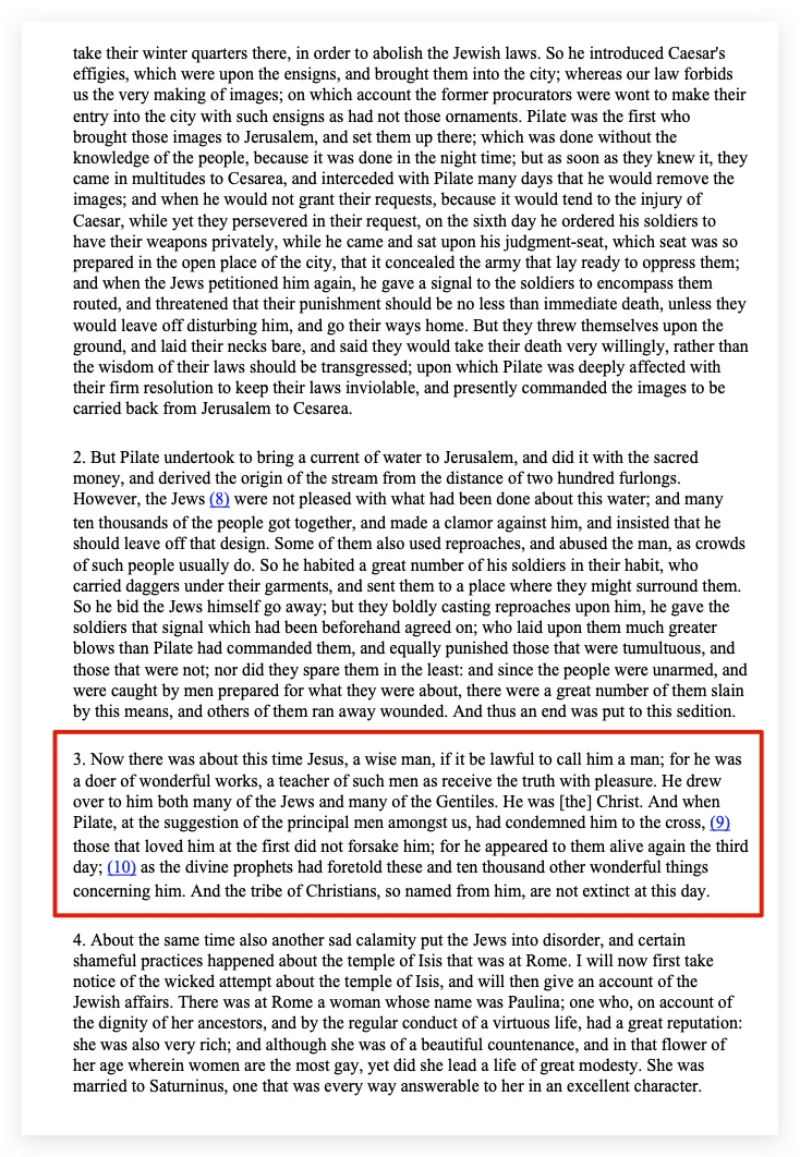
In addition, a later rabbinic tradition preserved in the Babylonian Talmud states that Yeshu was executed or “hanged” on the eve of Passover on charges involving sorcery and leading Israel astray [30].
Logically, these secular records raise a major question: if Allah changed another person’s appearance to that of Jesus and caused him to be crucified instead, how did the Roman administration—known for its rigorous judicial procedures and executions—also make such a mistake? Roman authorities identified condemned prisoners and observed them before and after crucifixion. If Allah created an illusion capable of completely deceiving Roman legal procedure and Jewish eyewitness experience alike, then the event ceases to be merely a miracle and effectively becomes a form of ‘universal deception’, in which contemporary observers, enemies, and administrative structures all became victims of the same illusion. This would mean that Allah deliberately arranged the historical evidence in such a way that human beings would be compelled for nearly two thousand years to regard the death of Jesus as an incontrovertible fact [31]. Such an intervention would not only make the emergence of Christianity inevitable but would permanently call into question the reliability of human observation and historical truth.
Six Centuries of Silence and the Moral Crisis of Divine Responsibility
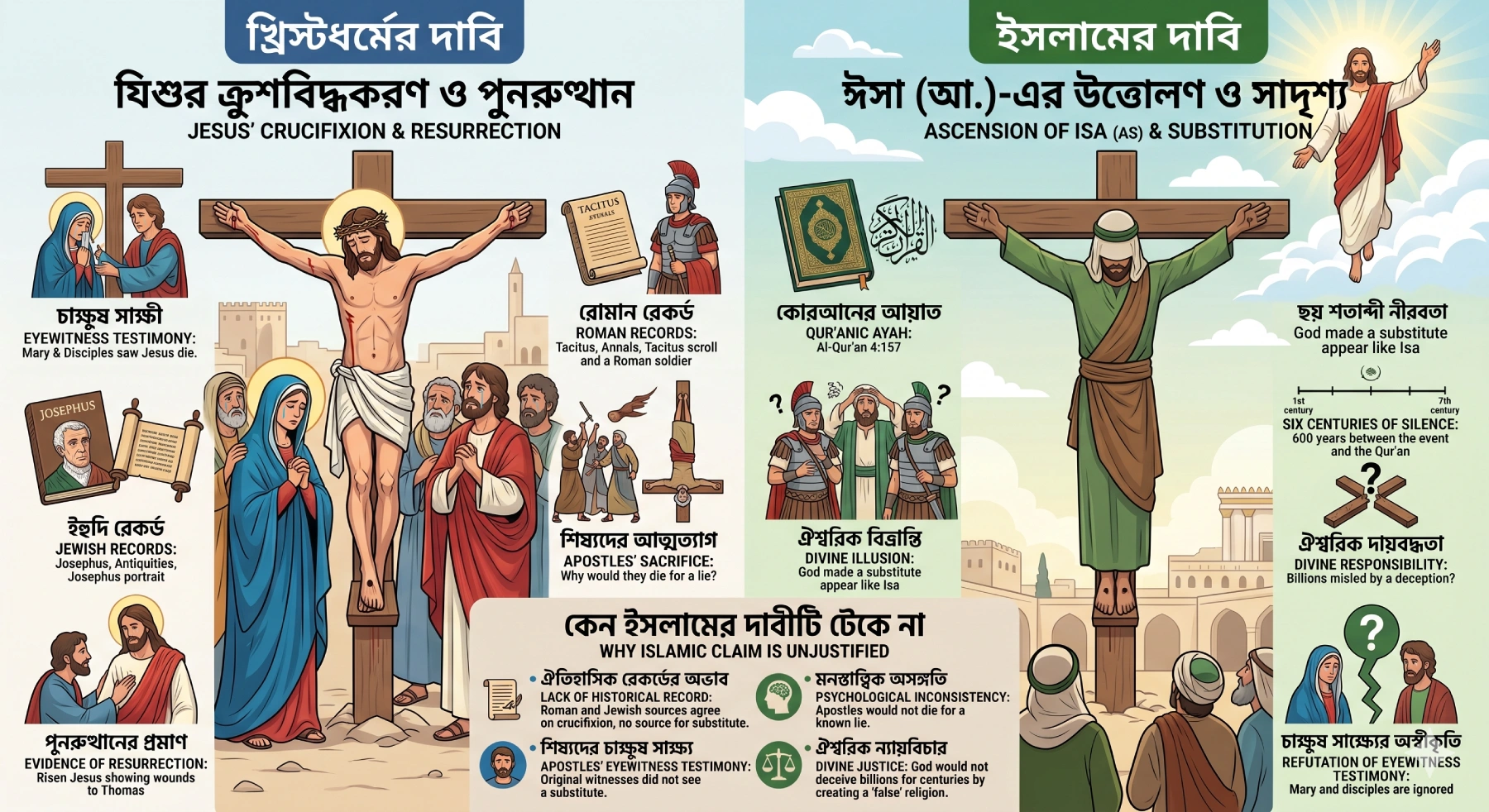
The approximately six hundred years between the alleged crucifixion of Jesus and the revelations received by Muhammad create a vast moral and logical void within the Islamic theological framework. If it is accepted, for the sake of argument, that Allah knowingly created a supernatural illusion, then the initial responsibility for the resulting ‘disbelief’ or shirk—such as worshipping Jesus as the Son of God—falls directly upon Allah Himself. This was not an ordinary human error; it would constitute a form of ‘Divine Deception’ in which the truth was concealed while falsehood was presented as visible reality. If Allah claims to guide humanity, why would He create a situation that inevitably pushed people for the next six centuries toward what Islam later identifies as disbelief and deviation? If millions of people during those centuries died believing in the death and divinity of Jesus, whether Allah retains the moral right to judge them on the Day of Judgment becomes a major question. Their ‘crime’ would have consisted only of accepting as true a visible ‘miracle’ or apparent reality presented by their own Creator. In Islamic terminology, this may be described as jabr, or compulsion, in which people were effectively forced into a mistaken belief.
At the same time, from an epistemological perspective, a claim arriving six centuries after the event raises serious doubts about historical credibility. Historical method ordinarily gives greater evidentiary weight to sources closer to the event and to traditions rooted in early testimony. Christian tradition presents multiple claims of eyewitness experience concerning the crucifixion, while early Christian testimony and Roman and Jewish historical records converge on the claim that Jesus was executed. In that context, accepting as true a single contrary claim arising six centuries later in a completely different geographical and cultural setting runs against historical objectivity. If Allah could deceive the eyes and ears of those contemporary with Jesus, then what guarantees that the claim arriving six centuries later is not itself part of some larger deception? This logical crisis does not merely lend internal justification to the emergence of Christianity; it also places the Islamic claim of revelation in a weakened epistemic position, where revelation not only contradicts the historical record but also fails to absolve Allah from responsibility for a centuries-long religious catastrophe.
The Failure and Logical Limitations of Apologetic Explanations
Islamic apologists and theologians commonly attempt to resolve this moral problem through the doctrine of Ahl al-Fatrah—people living between prophetic missions—or by appealing to the idea of a ‘test of faith’. Yet on closer examination, these explanations do not withstand logical scrutiny.
Why Should Christians Go to Hell for an Illusion Created by Allah?
In Islamic eschatology, unbelievers and polytheists are repeatedly threatened with eternal punishment in Hell. Yet the Qur’anic account of the ‘divine drama’ surrounding the crucifixion of Jesus completely collapses the moral basis of that punishment. If a judge personally misleads an accused person by providing false information, punishing that person for the resulting error does not fall within any meaningful definition of justice.
Divine Manipulation versus Human Moral Responsibility
From a logical perspective, if the primary cause of an event is God, then responsibility for all consequences arising from that event also falls upon Him. If Allah made another person ‘resemble’ Jesus (Shubbiha) in a manner capable of deceiving the ordinary reasoning of contemporary eyewitnesses, then the emergence of Christianity was not a human deviation but a form of ‘Divine Entrapment’. Human beings are compelled to accept as true the conclusions they reach through their senses and reasoning faculties. According to the Islamic account itself, Christians did not reject an accessible truth; rather, they believed the ‘visible truth’ Allah had placed before them. Therefore, condemning people to eternal fire for believing a ‘miracle’ or illusion created by Allah becomes an ultimate logical contradiction. Let us examine how clearly the Qur’an states that non-Muslims will remain in Hell eternally [34]:
وَعَدَ ٱللَّهُ ٱلۡمُنَٰفِقِينَ وَٱلۡمُنَٰفِقَٰتِ وَٱلۡكُفَّارَ نَارَ جَهَنَّمَ خَٰلِدِينَ فِيهَاۚ هِيَ حَسۡبُهُمۡۚ وَلَعَنَهُمُ ٱللَّهُۖ وَلَهُمۡ عَذَابٞ مُّقِيمٞ
Allah has promised the hypocrite men and hypocrite women and the disbelievers the fire of Hell, wherein they will abide eternally. It is sufficient for them. And Allah has cursed them, and for them is an enduring punishment.
— Saheeh International
The ‘Scapegoat’ Doctrine: Muslim Sins and Christian Punishment
Christians are not merely condemned for their allegedly ‘false beliefs’; a Sahih hadith also suggests an astonishing theological transfer in which the sins of Muslims are placed upon Jews and Christians. Although Islamic justice elsewhere claims that no soul bears the burden of another, one narration in Sahih Muslim appears to challenge that principle [35].
Sahih Muslim
The Book of Repentance
Chapter 8. The Acceptance Of The Repentance Of The One Who Kills, Even If He Has Killed A Great Deal
Sahih Muslim 2767d (In-book reference: Book 50, Hadith 60; Bengali Islamic Foundation reference: 6758). Abu Burda reported from his father, Abu Musa al-Ash‘ari, from the Prophet. The report states that on the Day of Resurrection some Muslims would arrive bearing sins as heavy as mountains. It then says: “Allah would forgive them and He would place in their stead the Jews and the Christians.” The transmission then records uncertainty over part of the wording, and Abu Burda states that when he narrated the report to ‘Umar ibn ‘Abd al-‘Aziz, he confirmed that his father had narrated it from the Prophet.
Arabic core: فَيَغْفِرُهَا اللَّهُ لَهُمْ وَيَضَعُهَا عَلَى الْيَهُودِ وَالنَّصَارَى
Hadith Grade: Sahih
Narrator: Abu Musa al-Ash‘ari (RA)
[35]
This narration adds an entirely different and troubling dimension to the punishment of Christians. Here, Christians are not merely punished for their alleged ‘error’; they are also used as repositories or ‘scapegoats’ for the sins of Muslims. If Allah Himself created the illusion of Jesus’ death and thereby prepared the ground for Christianity, and later places the burden of Muslims’ sins upon the followers of that religion before sending them to Hell, then it is more reasonable to describe the process not as justice but as a carefully constructed tragedy.
Epistemological Betrayal
According to Islamic claims, Allah is khayr al-makirin, the best of strategists. But when this ‘strategy’ attacks the basic epistemic capacities of human beings, it ceases to be intelligence and becomes a form of systematic deception. If the Creator Himself can distort evidence, then no standard remains by which the truthfulness of any later revelation can be verified. If the scene of the crucifixion was a perfect ‘deception’, what guarantee exists that Jibril’s appearance to Muhammad was not itself part of some larger illusion?
Ultimately, the damnation of Christians cannot be justified under any coherent moral standard within this framework. The beginning of the event—the illusion, its continuation—the centuries of silence, and its final consequence—Hell—are all presented as operating under Allah’s sole control. Therefore, punishing as ‘disbelievers’ the followers of a belief whose original causal foundation was created by Allah Himself constitutes a classical logical inconsistency (Logical Inconsistency). It shows a theological structure that gives greater weight to the unilateral exercise of power than to a coherent standard of justice.
Conclusion: Divine Responsibility and Theological Consequences
In conclusion, the Islamic ‘substitution theory’—the traditional account in which someone resembling Jesus was crucified in his place—is not merely the description of a miracle. It generates a profound moral and logical crisis. If this historical drama was staged under Allah’s direction, then the emergence of Christianity was not simply a human deviation but the predictable consequence of a divinely engineered event. According to the logic of cause and effect, when the original cause—the appearance of Jesus’ death—is directly controlled by God, responsibility for the belief generated by that appearance also returns to the Agent responsible for creating the cause [36].
This theological framework presents Allah as a being who, on the one hand, claims to guide humanity toward the truth, while on the other hand supplies the supernatural foundation necessary for the emergence of what Islam later describes as one of history’s greatest ‘false religions’. Six centuries of silence, followed by hundreds of millions of people remaining immersed in what Islam considers a ‘false’ belief, seriously calls into question the Islamic concepts of divine justice (Adl) and wisdom (Hikmah). Moreover, dismissing visible evidence through supernatural intervention destroys the reliability of revelation or divine communication as a whole. If first-century eyewitnesses could become victims of an illusion created by Allah, then no objective evidence remains that a seventh-century revelation was not likewise part of a larger deception. Therefore, within the logic of this discussion, if the Islamic account is accepted literally, then Allah Himself becomes directly responsible for the emergence of Christianity, and shifting that responsibility onto human beings by accusing them of ‘disbelief’ is nothing but a classical logical inconsistency (Logical Inconsistency), one that breaks the theological framework from within.
References
- 1 Corinthians 15:3-6 ↩︎
- Matthew 27:50–61 ↩︎
- 1 Corinthians 15:3–8 ↩︎
- Qur’an 4:157 ↩︎
- Tafsir Ibn Kathir, Volume 3, Islamic Foundation Bangladesh, pp. 328–329 ↩︎
- Tafsir Mazhari, Volume 3, pp. 343–344 ↩︎
- Matthew 10:2-4 ↩︎
- John 20:27 ↩︎
- John 19:26-27 ↩︎
- Hume, David. An Enquiry Concerning Human Understanding ↩︎
- Luke 24:48 ↩︎
- Eusebius, Church History, 3.1 ↩︎
- Foxe’s Book of Martyrs 1 2
- Acts 12:1-2 ↩︎
- Tertullian, The Prescription Against Heretics, 36 ↩︎
- The Acts of Philip ↩︎
- Catholic Encyclopedia ↩︎
- The Acts of Thomas ↩︎
- Jerome, De Viris Illustribus ↩︎
- Josephus, Antiquities of the Jews, 20.9 ↩︎
- Golden Legend ↩︎
- Clement of Alexandria ↩︎
- William Lane Craig, Reasonable Faith ↩︎
- 1 Corinthians 15:14 ↩︎
- Acts 9:3-6 ↩︎
- Romans 5:9 ↩︎
- Philippians 2:8 ↩︎
- Tacitus, Annals, 15.44 ↩︎
- Josephus, Antiquities, 18.3.3 ↩︎
- Babylonian Talmud, Sanhedrin 43a ↩︎
- Bart Ehrman, The Historical Jesus ↩︎
- Swinburne, Richard. The Concept of Miracle ↩︎
- Internal Logic Critique: Al-Ghazali vs. Averroes on Causality ↩︎
- Surah At-Tawbah, verse 68 ↩︎
- Sahih Muslim, Islamic Foundation, Hadith 6758 1 2
- Hick, John. The Metaphor of God Incarnate ↩︎